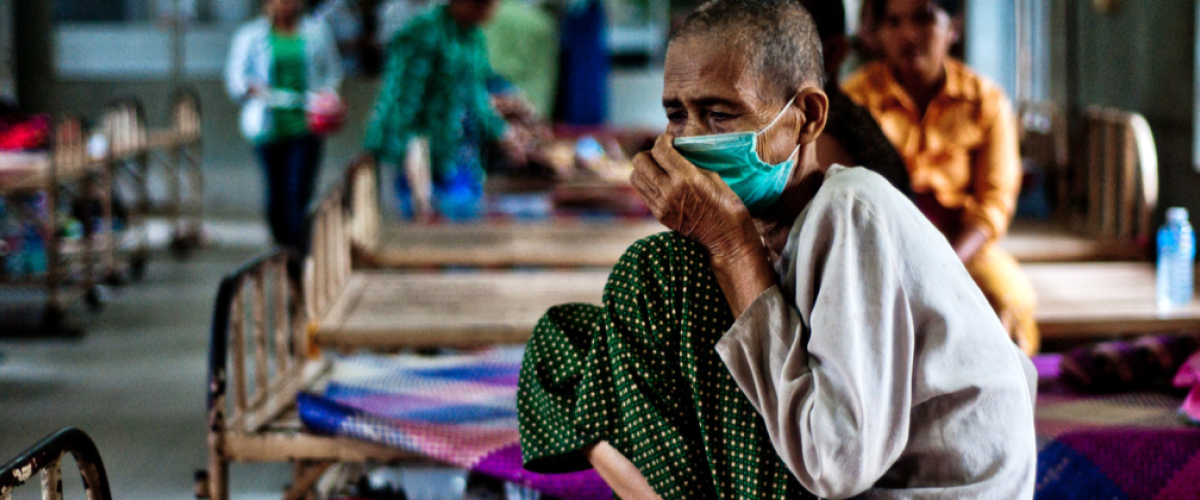
Causing nearly 75% of deaths in the world, non-communicable diseases tend to be of long duration and are not transmissible directly from one person to another.
A non-communicable disease (NCD), also known as chronic diseases, tend to be of long duration and are not transmissible directly from one person to another. These are diseases that are not caused by infectious agents (like bacteria or viruses). NCDs cause nearly ¾ (75%) of deaths in the world. An estimated 80% of NCDs are preventable. NCDs disproportionately impact on people living in low- and middle-income countries, and are both a cause and a consequence of poverty. Although patterns of disease vary between countries and regions, there is global presence of NCDs due to several drivers such as commercial, environmental, genetic, and social factors, thus there can be strong political, economic, and humanitarian interests in finding solutions at both the national and international level. NCDs are a sustainable development issue.
The 5×5 framework is a global health policy approach that helps to address NCDs as a global health challenge. The framework is intended to help countries develop policies, programs, and services to prevent and control NCDs. The current 5 × 5 approach to NCDs, favoured by WHO, focuses on five diseases (cardiovascular disease, cancer, diabetes, chronic respiratory diseases, and mental ill-health) and five risk factors (tobacco use, unhealthy diets, physical inactivity, harmful use of alcohol, and air pollution).
At GACD, implementation research on NCDs goes beyond this 5×5 NCD agenda considering many other NCDs such as: neurological conditions; neurodevelopmental disorders; autoimmune diseases; obesity; chronic kidney disease; chronic pancreatitis; NAFLD; blood disorders; skin conditions; endocrine disorders; musculoskeletal conditions; and ocular conditions. In expanding the scope of NCDs, the global health agenda for equity can progress. Implementation research on NCDs can have benefits in informing governmental policy to create supportive environments that protect people from developing NCDs, provide treatment for management, and prevent complications for those living with NCDs.
NCD Facts
The major modifiable risk factors for NCDs are tobacco use, physical inactivity, air pollution, alcohol misuse and unhealthy diets.
When conflict, disaster, or mass displacement disrupt healthcare access, daily life can become perilous, leading to increased vulnerability for individuals, particularly those with pre-existing conditions or injuries.
Every year, 17 million people under the age of 70 die of NCDs, and 86% of them live in low- and middle-income countries. A majority of many NCD deaths can be prevented or significantly delayed.
People at Risk
People of all age groups, regions, and countries are affected by NCDs.
Behavioral risk factors increase the risk of NCDs including tobacco use (including exposure to second-hand smoke), unhealthy diets (excess salt, sugar, and fats), harmful use of alcohol, and insufficient physical activity.
Behavioral risk factors contribute to four key metabolic changes (raised blood pressure, overweight/obesity, high blood glucose levels, and abnormal blood lipids) that increase the risk of NCDs.
People exposed to environmental risk factors such as air pollution– indoor & outdoor, climate change, toxic waste, access to unhealthy food contribute to NCDs.
Prevention and Control
Key components of the response to NCDs include: detection, screening, treatment, palliative care, health promotion, early diagnosis and treatment, and general primary care. To lessen the impact of NCDs on individuals and society, an all-encompassing approach is needed requiring all sectors– health, finance, transport, education, agriculture, planning and others, to collaborate to reduce the risks associated with NCDs, promoting interventions to prevent and control them. Investment in better management/surveillance such as detecting, screening, and providing access to palliative care for people with NCDs is also critical.
Economic, Individual, and Societal Costs of NCDs
The economic burden of NCDs is rising and expected to show steeper increases in the future, especially among less developed economies and among the poorest in both middle- and high-income countries. Non-communicable diseases also result in indirect costs, for example productivity losses due to morbidity or mortality, early retirement and costs of informal care. Studies have estimated these costs as follows:
production losses due to mortality and morbidity associated with CVD cost €54 billion in the EU in 2015 and the total cost of providing informal care for people with CVD was almost €45 billion (EHN 2017).
Socioeconomic costs of NCDs significantly impact individuals, households, health systems and economies
Individual and household level — increased disabilities and premature deaths; decreased household income; increased expenditures [out of pocket and lofty payments for health resulting in a loss in savings].
Healthcare costs — more people living with NCDs leading to an increased use of NCD-related healthcare services, high medical treatment costs and high demand for more expensive treatments.
Societal costs — indirect costs as reduced labour outputs, lower tax revenues, lower returns on human capital investments.
Would this content be useful for a friend or colleague?