- Project CP11 (2026 — )
- Cancer Research Programme
Belgium, Bulgaria, Denmark, Estonia, France, Ireland, Italy, Portugal, Romania, United Kingdom
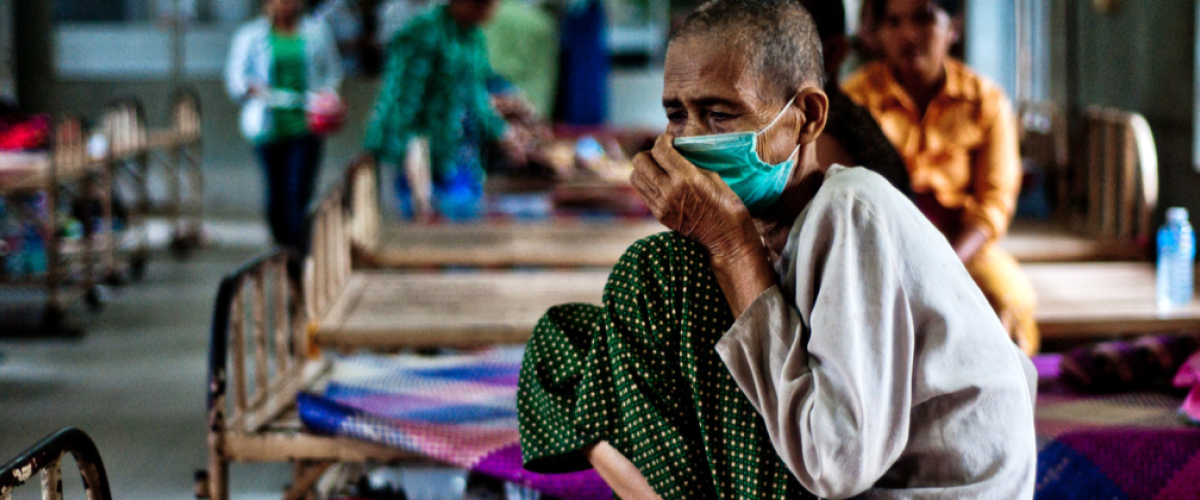
Cervical cancer is the third most common gynaecological cancer and the second most common in women under 45 years. In Europe, over 61,000 women are diagnosed with cervical cancer each year and almost 26,000 of them will die of it – each death is a tragedy considering that cervical cancer is today a preventable and treatable disease.
Background
The relatively high death rate has been largely attributed to low vaccination coverage and low cervical cancer screening rates among vulnerable women. Though screening programmes have been shown to drastically reduce cervical cancer mortality, they remain largely inaccessible and underused by sub-populations of vulnerable women, creating inequality in the European healthcare system and adding to the challenges underserved populations already face in their efforts to maintain their socioeconomic and physical health.
Aims
CBIG-SCREEN will create a Europe-wide knowledge framework around barriers and facilitators to cervical cancer screening and generate policies, programmes, communications and other required services to meet the needs of these underserved sub-populations of women with inherent high-risk of cervical cancer and low (perceived) access to proper healthcare routes. These interventions aim to reduce health inequality by increasing screening ratios among vulnerable women from 26% to 45% which could ensure 6,000 to 7,000 more women will survive each ear.
Project plan
Healthcare inequality is at the heart of CBIG-SCREEN’s effort to provide vulnerable sub-populations with functioning access to cervical cancers screening and thus improve health outcomes and reduce associated healthcare and societal costs. The vulnerable sub-populations CBIG-SCREEN will focus on are women of low socioeconomic status, women living with HIV or other sexually transmitted diseases (STDs), incarcerated women, sex workers and migrants who may not have had access to cancer screening in their country of origin but find it difficult to navigate health care systems in their new homes.
The consortium will work in collaboration with these women to identify and develop strategies to meet their varied and specific needs, in order to attract them to the screening programmes, and to retain them from initial test to treatment. Through continuous dialogue researchers aim to convince policymakers to adopt these strategies ensuring that national screening programmes reach out to promote these interventions to communities of the underserved women.
Publications and output
You can also visit the CBIG-SCREEN project website for more information.
Principal investigators
-
Marc Bardou Institut national de la santé et de la recherche médicale, France
Team members
-
Christiane Dascher-Nadel Institut national de la santé et de la recherche médicale, France
-
Berit Andersen Regionhospitalet randers, Denmark
-
Pia Kirkegaard Regionhospitalet randers, Denmark
-
Arianna Khatchadourian European Cancer Leagues, Belgium
-
Irina Todorova Health Psychology Research Center, Bulgaria
-
Rebecca Moore European Institute of Women’s Health, Ireland
-
Adriana Baban Babeș-Bolyai University, Romania
-
Florian Nicula Dr. Ion Chiricuta Cluj-Napoca, Romania
-
Anneli Uuskula University of Tartu, Estonia
-
Nuno Lunet Instituto de Saúde Pública da Universidade do Porto, Portugal
-
Paolo G. Rossi Azienda Usl di Reggio Emilia – IRCCS, Italy
-
Rosa Legood London School of Hygiene & Tropical Medicine, United Kingdom
-
Martin McKee London School of Hygiene & Tropical Medicine, United Kingdom
-
Lia Rochaix Paris School of Economics, France
-
Partha Basu International Agency for Research on Cancer, France
Funding organisations
Would this content be useful for a friend or colleague?