- Project LD04 (2016 — 2019)
- Lung Diseases Research Programme
Belgium, Denmark, Greece, Kyrgyzstan, Netherlands, Uganda, United Kingdom, Vietnam, United States
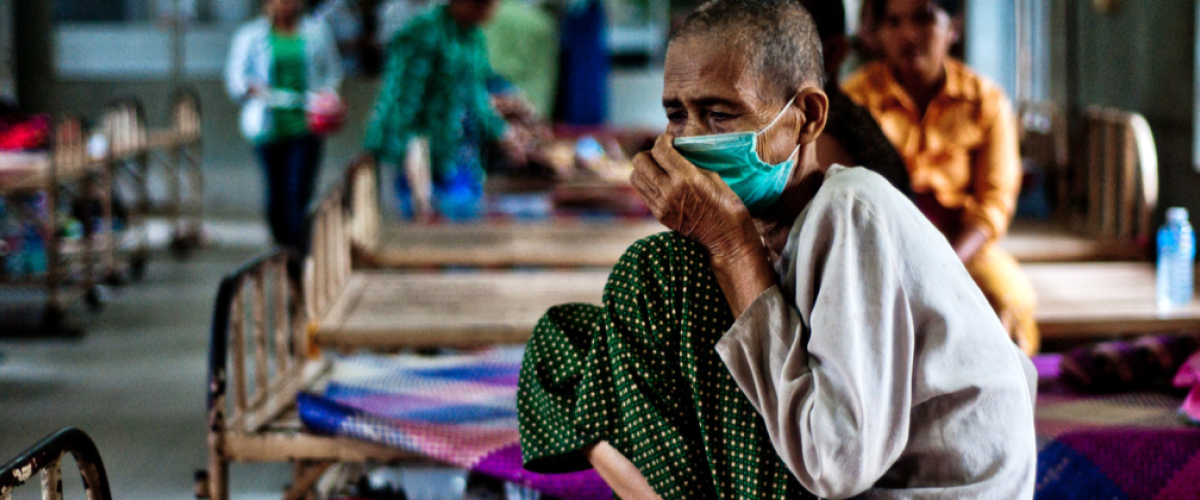
This project strengthened prevention, diagnosis, and treatment of lung diseases in low-resource settings by adapting and implementing evidence-based respiratory interventions across multiple countries.
Background
FRESH AIR was a 3 year project which addressed the urgent need to prevent, diagnose and treat lung diseases in LMICs and other low-resource settings where the greatest burden of disease is experienced. The Consortium brought together leading international respiratory researchers, clinicians and policy experts from EU member states and the US who have expertise and experience of the challenges of implementation in LMICs and healthcare providers, policy makers and implementers from four countries that represent very different low-resource settings.
Aims
To improve health outcomes for people at risk of or suffering from non-communicable lung diseases in low resource settings by developing capacity for implementation of evidence-based interventions for prevention, diagnosis and treatment in these contexts.
Project plan
Members aimed to work together to adapt and test innovation and evidence-based practice in the prevention, diagnosis and treatment of lung disease in four low-resource settings in Uganda, Kyrgyz Republic, Vietnam and Greece with high levels of tobacco consumption and exposure to Household Air Pollution (HAP). In so doing, the Consortium aimed to transfer skills and technology from EU member states and the US to new contexts and explore a range of implementation science research questions. The new knowledge this generated was to be widely disseminated nationally, regionally and internationally, ensuring the scale-up of interventions tested by the project and global impact of research findings. The project also aimed to provide new perspectives on policy issues of concern to EU members, increase the international profile of EU funded research on key health challenges and open up markets for healthcare innovations.
The project had 7 specific objectives focused on the following:
Identifying factors influencing the implementation of evidenced-based interventions
Exploring which awareness-raising approaches are most effective in achieving behaviour change
Adapting interventions that provide smoking cessation support
Testing innovative diagnostic methods for COPD
Promoting pulmonary rehabilitation as a low cost treatment
Reducing children’s risk of lung damage
Generating new knowledge, innovation and scalable models.
The project was coordinated by Leiden University Medical Center (LUMC).
Funding organisations

Would this content be useful for a friend or colleague?