- Project LD02 (2016 — 2020)
- Lung Diseases Research Programme
Bangladesh, Nepal, Pakistan
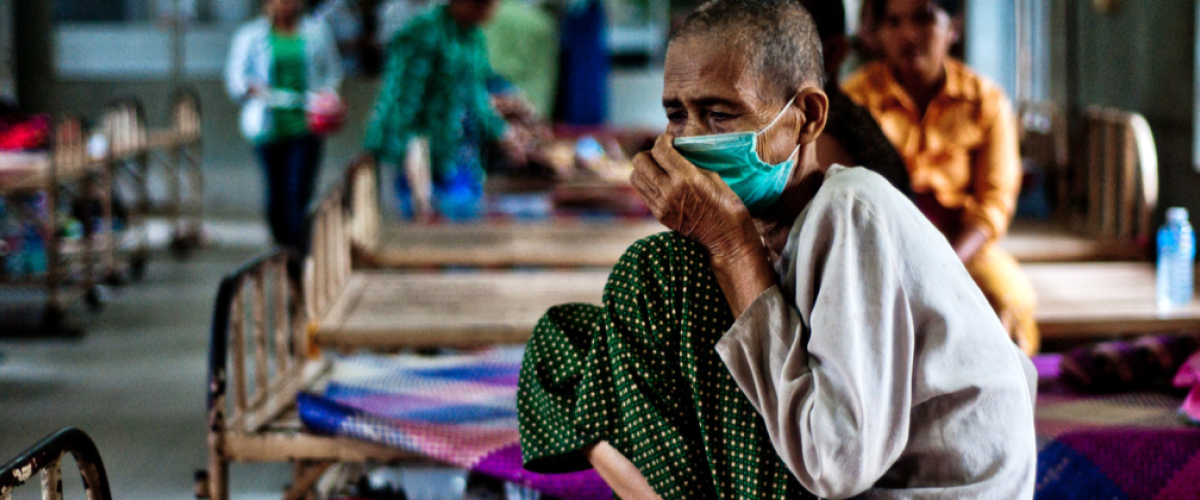
Integration of tobacco cessation into tuberculosis programmes in Bangladesh, Nepal, and Pakistan to reduce smoking, improve TB outcomes, and address the burden of infectious and non-communicable diseases.
Background
The burden of tobacco-related lung diseases is high worldwide. The approach of this study was to integrate inexpensive tobacco cessation strategies of proven efficacy into TB control programmes. This had three advantages: a) Preventing non-communicable diseases as well as reducing TB-related deaths; b) TB patients are more likely to quit tobacco than healthy smokers – ‘teachable moments’; and c) in the absence of specialist infrastructure, an approach to ‘piggyback’ cessation on existing programmes is a desirable policy imperative. The vision of the study team was that by studying the ‘real world’ influences on the implementation and success of tobacco cessation, they would be able to translate the findings into benefits for patients.
Aims
The project aimed to assess the effectiveness and cost-effectiveness of cytisine when added to behavioural support for tobacco cessation compared to behavioural support alone on tobacco cessation in TB patients in Pakistan, Bangladesh and Nepal, who use tobacco on a daily basis.
Secondary research aims were as follows:
To assess the effectiveness and cost-effectiveness of the above tobacco cessation strategies in improving the clinical outcomes on TB patients who use tobacco on a daily basis.
To assess any differences in the effectiveness of these strategies by the form of tobacco used (smokers, smokeless tobacco users and those that use a combination of smoking and smokeless forms).
To assess any differences in the effect across different TB severity groups, high and low socio-economic status , genders and age sub-groups.
Project plan
The first step was to assess the effectiveness and cost-effectiveness of tobacco cessation strategies in helping TB patients to quit and improving their TB outcomes – the effectiveness goal; and then explore how best these strategies can be delivered, sustained and scaled-up – the implementation goal. The team proposed six work packages for Bangladesh, Nepal and Pakistan – high TB and tobacco burden countries.
WP1 Development & Feasibility: To optimise the delivery of tobacco cessation strategies within TB programmes (focus group discussions [FGD], interviews, surveys, expert panel workshops).
WP2 & 3 Effect and economic evaluation: To assess the effectiveness and cost effectiveness of cytisine with behavioural support vs. behavioural support alone on tobacco cessation and TB outcomes (randomised controlled trial [RCT]).
WP4 Process evaluation: To study the design and delivery of the tobacco cessation strategies (FGD, observations, exit interviews).
WP5 Context evaluation: To study the influence of contextual factors on the RCT outcomes (lit. review, interviews, surveys, analysis).
WP6 Scale up & Sustainability: To assess sustainability of the cessation strategies and identify the likely costs, obstacles and opportunities for scaling these up (FGD, interviews, cost and outcomes analysis).
Impact
Evidence from the TB and Tobacco project has led to integration of tobacco cessation within National Tuberculosis Programmes in Pakistan, Bangladesh, and Nepal and changes in the training, supervision, reporting and recording systems. In addition to national impact in all three countries, the research has led to global impact:
Inclusion of key messages from the study’s behaviour support intervention within the WHO TB-Tobacco mHealth guide which is now being rolled out in Egypt and India.
Inclusion of the study’s recommendation within the International Union against TB and Lung Diseases’ white paper on the integration of tobacco within TB programmes.
Publications and output
To access publications and other outputs relating to this project, see our publications webpage and case study.
You can also visit the TB and Tobacco website or take a look at Helen Elsey’s short video about the project for more information.
This project has a related case study Integrating tobacco cessation within TB programmes in Pakistan, Bangladesh, and Nepal.
Funding organisations
Would this content be useful for a friend or colleague?