Published in News
Non-communicable diseases (NCDs) are currently a hot topic in the media in developing countries. The term ‘lifestyle diseases’ is the current buzz word being used to increase public awareness of the dangers of physical inactivity and the high levels of salt consumption amongst other things.
Unfortunately, the growing emergence of these diseases in developing nations often fails to reach the global public. For example it was reported that by 2030, 45% of the disease burden will be attributed to NCDs in developing countries[i].So why is this critical shift in disease burden in these countries from infectious diseases to NCDs not hitting the headlines?
With the release of the Global Burden of Disease Survey published by the Lancet in December 2012 which highlighted the growing number of deaths due to NCDs in developing countries, freelance global health reporter supported by the Pulitzer Centre, Joanne Silberner, knew she had to highlight the growing NCD issue in the global arena. Knowing the US media are less concerned with international health stories, she knew it would take a lot more than just general mortality statistics to highlight such a critical story. Joanne has developed ingenious ways to get attention (see adjacent tips).
The media can also help bring home key messages from non-governmental organisations (NGOs) and other organisations that struggle to get noticed. In fact according to Joanne 50% of an organisations budget should be spent on media relations in public health. This may be a stretch for most cash strapped charities but it definitely highlights the need for more interaction with and utilisation of the global media by organisations, researchers and academics.
Joanne regularly gives talks at universities and public health institutes to encourage its researchers and academic staff to engage more with the media. At a recent event hosted by the London School of Hygiene and Tropical Medicine, Joanne highlighted that the media can greatly raise awareness and impact the public’s view of global health. One recent example is a five part series highlighting cancer in developing countries, which was broadcast on The World, an international public radio show received an astonishing 500,000 hits in 24 hours.
The Pulitzer Centre also encourages more innovative ways of reporting. For example the Centre has published an iBook on the crisis in Haiti featuring poems coupled with atmospheric music shows the creative lengths that reporters can go to, to grip an audience.
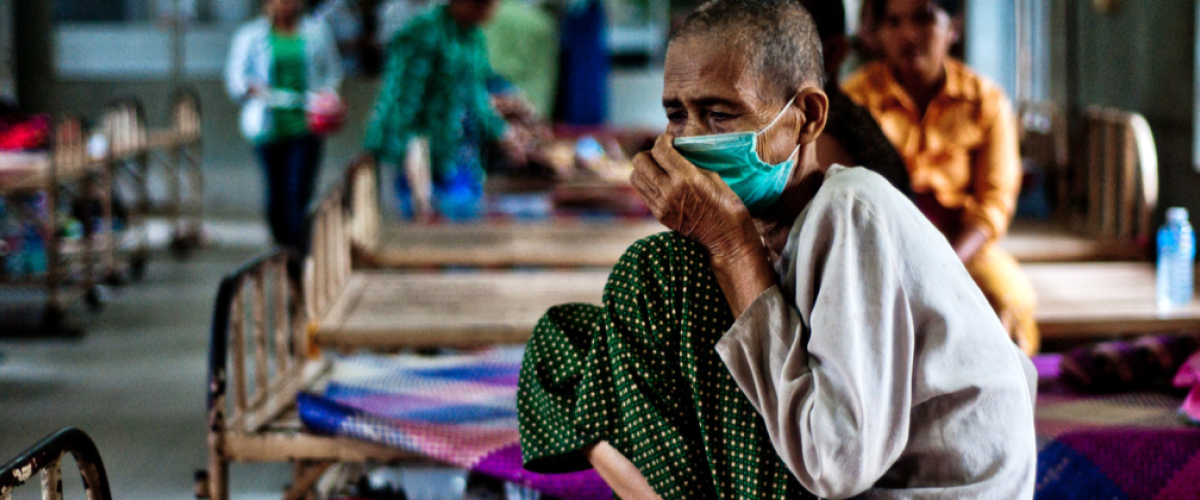
Joanne has also recently reported on the rising rates of hypertension and diabetes in Cambodia. Read the story here.
What can you do?
Whether you are a journalist, researcher, academic or just generally concerned about NCDs, get your voice heard. Join the debate on Twitter @gacd_media and connect with us via LinkedIn.
6 tips on how to get the media’s attention with health stories on developing countries
Start a blog!
One number/fact can make a good story. Don’t overload the story with too many figures; it can confuse the reader who may not have a scientific background.
Make the story humanistic- draw on the experiences of the individual.
Include images of children where possible- draw on the readers emotions.
Make comparisons where possible to similar situations in developed countries. This will give the reader more perspective and highlight disparities that exist today between developed and developing countries.
Do your research! – Consult many sources to gain perspective and an understanding of the topic you are covering before interviewing researchers so that you can ask the most relevant questions.